- English
- Español
- Português
- русский
- Français
- 日本語
- Deutsch
- tiếng Việt
- Italiano
- Nederlands
- ภาษาไทย
- Polski
- 한국어
- Svenska
- magyar
- Malay
- বাংলা ভাষার
- Dansk
- Suomi
- हिन्दी
- Pilipino
- Türkçe
- Gaeilge
- العربية
- Indonesia
- Norsk
- تمل
- český
- ελληνικά
- український
- Javanese
- فارسی
- தமிழ்
- తెలుగు
- नेपाली
- Burmese
- български
- ລາວ
- Latine
- Қазақша
- Euskal
- Azərbaycan
- Slovenský jazyk
- Македонски
- Lietuvos
- Eesti Keel
- Română
- Slovenski
- मराठी
- Srpski језик

Choosing the Right Outdoor Equipment Cabinet for Harsh Climates
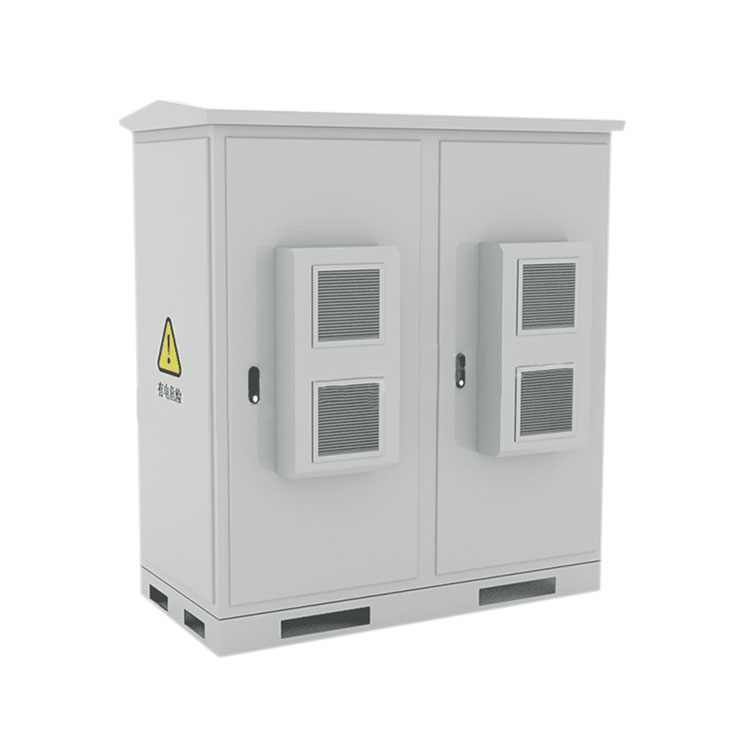
Putting sensitive telecommunications or power infrastructure outside forces a simple choice. You either spend the budget upfront on a proper enclosure, or you spend it later replacing cooked switches and shorted batteries. An outdoor equipment cabinet isn't just a metal box; it is an active defense system against solar loading, driving rain, galvanic corrosion, and vandalism.
Buyers routinely misjudge the harshness of their deployment sites. They buy an enclosure based on a vague IP rating, only to watch temperature swings create internal condensation that destroys unprotected circuit boards. Getting this specification right means balancing material science, thermal management, and strict NEMA ratings against the reality of your specific environment.
The Cost of Underestimating Environmental Hazards in Edge Deployments
Nature actively attempts to destroy field equipment. UV radiation constantly degrades rubber door seals, turning them brittle until micro-cracks allow moisture to penetrate the chassis. Solar heat gain bakes the enclosure. A dark-colored cabinet sitting in direct summer sunlight can easily see internal temperatures spike 40 degrees higher than the ambient air, quickly exceeding the operating limits of standard servers and batteries.
Moisture and ice present different mechanical threats. High humidity leads to condensation cycles that cause galvanic corrosion on internal contacts. In freezing climates, ice buildup can freeze external hinges solid, block ventilation ports, or rip off poorly secured antennas. Many engineers spec a basic weatherproof outdoor server rack assuming it will keep the rain out, but they forget that a perfectly sealed box also traps all internally generated heat. You have to handle the external hazards without suffocating the internal gear.
Matching NEMA Ratings to Specific Climate Zones and Hazards
You cannot specify an enclosure based on a general requirement for "weatherproofing." The National Electrical Manufacturers Association (NEMA) rating dictates exactly what physical abuse the cabinet is certified to survive. CPSY designs and manufactures metal cabinets that meet NEMA Types 3R, 4, and 4X, ensuring the panel layout physically prevents the entry of dirt and harmful liquids.
NEMA 3R vs. NEMA 4 and 4X Protection Levels
NEMA 3R handles falling rain, sleet, and external ice formation. It is generally vented to allow some airflow. It does not stop windblown dust or a directed water jet. You should use a NEMA 3R outdoor electrical enclosure for basic utility applications where the internal components are already somewhat hardened, airborne dust is minimal, and the budget is tight.
NEMA 4 seals the cabinet completely. It blocks windblown dust and withstands hose-directed water. This is the standard for most demanding industrial environments.
NEMA 4X does everything NEMA 4 does, but adds rigorous corrosion resistance. If your site is within 50 miles of a coastline, exposed to winter road salt, or sitting in a corrosive industrial plant, a NEMA 4X outdoor equipment cabinet is the absolute baseline. Anything less will rust through within a few deployment cycles.
Cabinet Materials: When to Specify Stainless Steel, Aluminum, or Galvanized Steel
The metal you choose dictates the cabinet's weight, thermal conductivity, and lifespan. A heavy steel box might be perfect for a concrete pad, but it will tear a utility pole down.
| Material | Primary Advantage | Best Application | Cost Profile |
|---|---|---|---|
| Cold-Rolled Steel | High structural strength | Indoor or highly sheltered outdoor areas | Low |
| Galvanized Steel | Zinc coating prevents base rust | Standard NEMA 3R/4 environments | Moderate |
| Aluminum | Lightweight and high thermal conductivity | Pole mount or rooftop deployments | High |
| Stainless Steel (304/316) | Ultimate corrosion defense | Marine, coastal, or chemical environments | Premium |
A stainless steel outdoor IT cabinet is mandatory for heavy industrial sites, but it is heavy and expensive. Aluminum offers an excellent alternative when weight matters—such as in 5G pole mounts—because it naturally dissipates internal heat faster than steel, slightly reducing the burden on active cooling systems.
Comparing Thermal Management Systems for Outdoor Network Cabinets
Sealing a box to NEMA 4 standards essentially creates a metal oven. Active telecom gear and battery banks generate continuous heat, and you need a mechanical way to extract it.
Chassis Air Conditioners, Heat Exchangers, and TEC Cooling
An air conditioned outdoor equipment cabinet uses a closed-loop compressor system. It keeps internal air entirely isolated from ambient air while actively dropping temperatures below the outside baseline. This is required for high-density 19-inch outdoor telecom enclosures running active servers. The trade-off is a high continuous power draw and the need for regular mechanical maintenance.
Heat exchangers take a different approach. They use a heat pipe or air-to-air core to transfer internal heat to the outside without ever mixing the two airstreams. They draw very little power. However, they only work if the outside air is consistently cooler than your maximum allowable internal temperature. They cannot cool a cabinet below ambient.
TEC (Thermoelectric Cooler) cooling relies on the Peltier effect. It is completely solid-state, meaning there are no moving parts other than the fans. TEC systems are immune to vibration and highly precise. CPSY integrates TEC cooling for targeted thermal management where reliability is critical, maintenance access is poor, and heat loads are moderate.
The Role of AI-Driven Thermal Monitoring in Edge Data Center Cabinets
Modern outdoor network cabinets with cooling do not just run fans at 100% all day. Running an air conditioner constantly wastes power and risks overcooling the cabinet, which drops the internal temperature below the dew point and causes condensation to form directly on your servers.
CPSY integrates targeted temperature sensors to regulate the internal climate dynamically. Algorithmic monitoring tracks temperature deltas, triggering chassis air conditioners or heat exchangers only when passive dissipation falls behind. By continuously monitoring the internal environment, these logic controllers prevent the rapid temperature swings that cause thermal stress on solder joints, extending the lifespan of your active equipment.
Specifying Your Outdoor Equipment Cabinet Configuration
Selecting the right enclosure requires matching physical dimensions to your gear and environmental defenses to your site.
First, determine your capacity requirements. CPSY provides enclosures ranging from 16U to 42U, accommodating standard 19-inch or 23-inch racks. You need to leave at least 20% empty rack space to allow for proper airflow and future expansion.
Next, define the form factor. A freestanding outdoor telecom cabinet handles heavy battery banks and dense server loads, requiring a poured concrete pad. If you are deploying edge routers on street infrastructure, you need a lightweight aluminum pole mount cabinet.
Finally, verify your certifications. Industrial and municipal deployments almost always require UL-certified power protection and infrastructure to meet local electrical codes.
If you are ready to configure an enclosure that matches your specific thermal, environmental, and spatial requirements, review the CPSY outdoor equipment cabinet lineup to find the exact specification for your next edge deployment.