- English
- Español
- Português
- русский
- Français
- 日本語
- Deutsch
- tiếng Việt
- Italiano
- Nederlands
- ภาษาไทย
- Polski
- 한국어
- Svenska
- magyar
- Malay
- বাংলা ভাষার
- Dansk
- Suomi
- हिन्दी
- Pilipino
- Türkçe
- Gaeilge
- العربية
- Indonesia
- Norsk
- تمل
- český
- ελληνικά
- український
- Javanese
- فارسی
- தமிழ்
- తెలుగు
- नेपाली
- Burmese
- български
- ລາວ
- Latine
- Қазақша
- Euskal
- Azərbaycan
- Slovenský jazyk
- Македонски
- Lietuvos
- Eesti Keel
- Română
- Slovenski
- मराठी
- Srpski језик

Energy Storage Market Gains Momentum: How to Choose the Right System?
Over the past two years, the energy storage industry has shifted from a "nice-to-have" to a "must-have." More homeowners and small business owners are realizing that a reliable PV and storage system does more than just lower electricity bills—it provides energy independence and backup power during grid outages. Market data confirms the trend: global shipments of storage inverters and battery systems continue to rise steadily.
But with so many technical options and product models available, how do you choose a system that is truly efficient, stable, and safe? We have put together a clear guide covering key product specifications, selection tips, and answers to the most common questions from real users.
Core Product Specifications: What Makes a Professional Storage Inverter?
Below are the critical technical specifications for a mainstream three-phase high-voltage hybrid inverter. Use this as a benchmark when evaluating equipment.
| Parameter | Specification | Description & Advantage |
|---|---|---|
| PV Input | ||
| Max. Input Power | 12,800 - 19,200 W | Supports larger PV arrays for higher daily yield |
| Max. DC Input Voltage | 1,000 V / 1,100 V | Allows longer string designs, reduces wiring loss and cost |
| MPPT Voltage Range | 150 - 850 V / 200 - 850 V | Wide range ensures efficient operation during low-light hours |
| No. of MPPT / Strings | 2 / 2 | Dual independent tracking for roofs with multiple orientations |
| Battery Interface | ||
| Battery Voltage Range | 180 - 750 V | High-voltage design improves charge/discharge efficiency |
| Max. Charge / Discharge Current | 25 A / 25 A | Supports fast charging and meets emergency power needs |
| Communication Protocol | CAN / RS485 | Compatible with most major lithium battery BMS protocols |
| AC Output (Grid-Tied Mode) | ||
| Rated Output Power | 8,000 - 12,000 W | Covers typical home and small commercial loads |
| Rated Output Voltage | 3L/N/PE, 230/400V | Standard three-phase output for direct connection to equipment |
| Power Factor Range | 0.8 leading - 0.8 lagging | Provides reactive power support for grid stability |
| Off-Grid Output (Backup Mode) | ||
| Switch Time | < 10 ms | Critical loads experience virtually no interruption during outage |
| Peak Overload Capacity | 16,000 VA (60 sec) | Easily handles startup surges from AC units, pumps, and compressors |
| Efficiency & Protection | ||
| Max. Efficiency | > 98.1 % | Higher efficiency means less energy loss and more savings |
| Ingress Protection Rating | IP65 | Fully dust-tight and protected against low-pressure water jets |
| Operating Temperature | -30°C to 60°C | Suitable for both cold winters and hot summers |
| Nighttime Self-Consumption | < 15 W | Extremely low standby power draw |
| Communication Options | WiFi / LAN / 4G (optional) | Remote monitoring via mobile app for real-time system status |
Data based on mainstream three-phase high-voltage hybrid inverters. Use as reference for project planning.
Matching Battery Storage: Key Parameters to Consider
An inverter must work with a compatible battery to achieve optimal performance. Below are recommended battery specifications.
| Battery Parameter | Specification Options | Description |
|---|---|---|
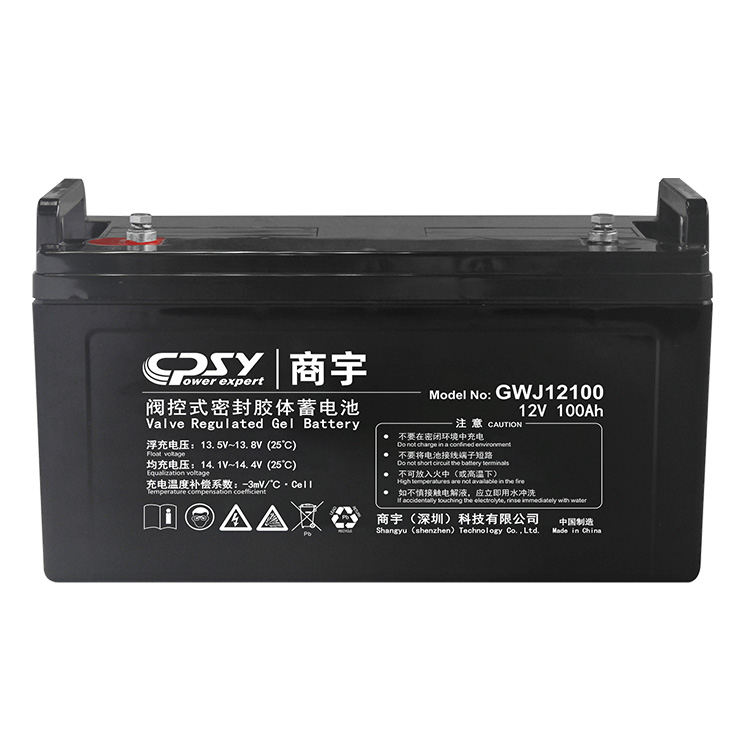
| Battery Chemistry | LiFePO4 (Lithium Iron Phosphate) | Safest chemistry with longest cycle life for residential use |
| Single Module Capacity | 5.12 kWh / 10.24 kWh | Modular design allows flexible capacity expansion |
| Nominal Voltage | 51.2 V | Low-voltage system compatible with most low-voltage inverters |
| Cycle Life | ≥ 6,000 cycles @ 80% DoD | One full cycle per day equals 15+ years of usable life |
| Ingress Protection Rating | IP65 / IP20 | IP65 for outdoor installation; IP20 for indoor racks |
| Communication Protocol | CAN / RS485 | Must match inverter BMS for intelligent battery management |
Seven Most Common Questions from Users
1. The inverter says IP65. Can I really install it outdoors?
Yes. IP65 means the unit is completely dust-tight and protected against low-pressure water jets from any direction. You can mount it directly on an exterior wall, garage side wall, or under a covered patio without needing a separate equipment room. Just avoid placing it where water can pool at the base.
2. With so many inverter brands, what specifications matter most?
Focus on three things. First, the maximum efficiency—look for 98% or higher, as this directly impacts your energy savings. Second, battery communication compatibility—verify the inverter works with the battery brand you plan to buy. Third, off-grid switching speed—can it transfer to backup mode within 20 milliseconds to keep your refrigerator and router running?
3. Will my storage system keep powering my home during a grid outage?
That depends on whether your system has an off-grid or backup function. All legitimate hybrid inverters include this feature. When the grid fails, the system automatically switches to backup mode in milliseconds, using stored battery energy to power pre-selected critical loads such as lighting, refrigerators, and communication devices. During installation, you need to decide which circuits connect to the backup port.
4. Why doesn't my battery charge to 100% sometimes?
There are several common reasons. First, check your charge/discharge strategy settings in the app—you may have set a reserve capacity (e.g., keeping 20% for emergency backup). Second, check the battery temperature; the BMS automatically limits charging current in extreme heat or cold to protect the cells. Third, verify the communication cable between the inverter and battery is properly connected—a failed connection means the inverter cannot read accurate state of charge.
5. How many years will a residential storage system last?
It depends on the two main components. LiFePO4 batteries typically deliver 6,000 cycles or more. With one full cycle per day, that is over 16 years of usable life. Inverters are typically designed for 10 to 15 years, with standard warranties ranging from 5 to 10 years. Under normal conditions, a well-designed system will easily serve you for over a decade. The payback period is typically 4 to 6 years, meaning the remaining years are pure savings.
6. Does installing a storage system require changes to my existing electrical panel?
Yes. The storage system needs to connect to your main electrical panel. A separate "critical loads sub-panel" must be added. Existing circuits for essential loads like refrigerators, lights, and outlets need to be moved from the main panel to this sub-panel. This is part of the standard installation process and is performed by a licensed electrician—typically completed in half a day to a full day.
7. Does the system make noise that will disturb sleep?
Modern residential storage inverters use natural convection cooling or low-speed fans. Under full load, noise levels are typically between 25 and 35 decibels—comparable to a running refrigerator or a quiet library. Most installations place the unit in a garage, utility room, or on an exterior wall, so there is virtually no impact on sleeping areas.
Final Selection Checklist
Before finalizing your product choice, run through this checklist:
-
Inverter maximum efficiency ≥ 98%?
-
Ingress protection matches installation environment (IP20 for indoor, IP65 for outdoor)?
-
Inverter supports grid-tied and off-grid modes with switching time < 20 ms?
-
Communication protocol (CAN/RS485) matches between inverter and battery?
-
Battery cycle life ≥ 5,000 cycles?
-
Battery supports modular expansion?
-
System carries necessary safety certifications (VDE, CE, UL, etc.)?
-
Manufacturer offers at least 5 years standard warranty?
Choosing the right storage system is ultimately about choosing how you want to power your home or business for the next ten years. Every parameter—from inverter efficiency to battery cycle life, from switch time to communication compatibility—affects real-world performance. We hope the specifications and answers above help you make a more informed decision. For specific project requirements or selection questions, contact us for detailed technical proposals and pricing.