- English
- Español
- Português
- русский
- Français
- 日本語
- Deutsch
- tiếng Việt
- Italiano
- Nederlands
- ภาษาไทย
- Polski
- 한국어
- Svenska
- magyar
- Malay
- বাংলা ভাষার
- Dansk
- Suomi
- हिन्दी
- Pilipino
- Türkçe
- Gaeilge
- العربية
- Indonesia
- Norsk
- تمل
- český
- ελληνικά
- український
- Javanese
- فارسی
- தமிழ்
- తెలుగు
- नेपाली
- Burmese
- български
- ລາວ
- Latine
- Қазақша
- Euskal
- Azərbaycan
- Slovenský jazyk
- Македонски
- Lietuvos
- Eesti Keel
- Română
- Slovenski
- मराठी
- Srpski језик

Why Should You Choose a Precision Air Conditioner for Your Facility?
Maintaining stable temperature and humidity is crucial in modern facilities with sensitive equipment. This article explores the benefits, applications, and selection strategies for a precision air conditioner. You will gain insights into system types, operational efficiency, maintenance practices, and practical tips to ensure optimal performance of your facility's climate control system.
Table of Contents
- Overview of Advanced Cooling Systems
- Key Advantages of Modern Climate Control
- Different System Configurations
- How to Choose the Right System?
- Where Are These Systems Commonly Used?
- Maintenance and Reliability Tips
- Frequently Asked Questions
Overview of Advanced Cooling Systems
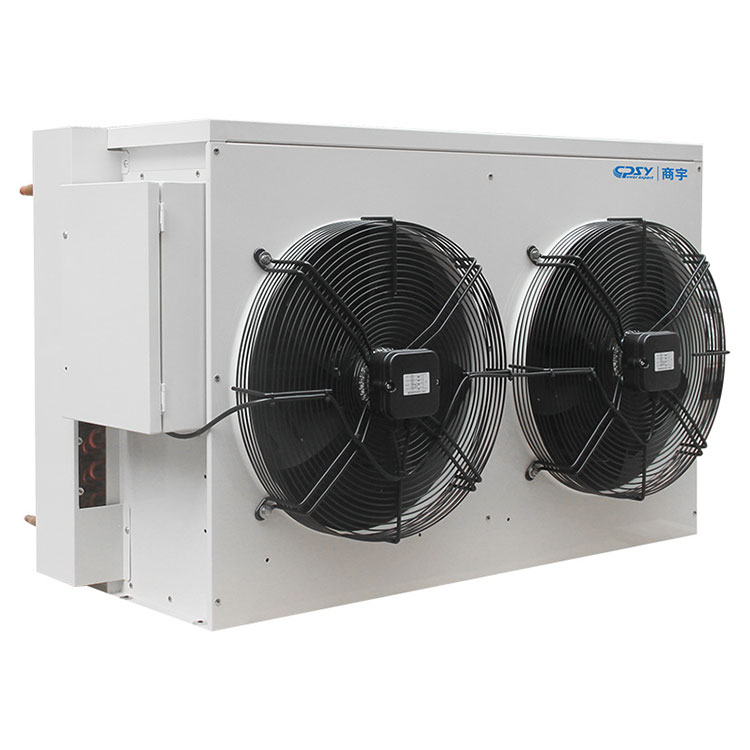
Advanced cooling systems are engineered to maintain precise environmental conditions. A precision air conditioner is a critical component in environments where even minor temperature fluctuations can impact equipment performance, product quality, or operational safety.
Key components include:
- High-precision sensors: Constantly monitor temperature and humidity.
- Redundant fans and compressors: Ensure uninterrupted operation.
- Intelligent control systems: Automatically adjust cooling to meet real-time demands.
- Energy optimization modules: Reduce electricity consumption while maintaining stable conditions.
In facilities like data centers or laboratories, the investment in a precision air conditioner is justified by the protection it offers against equipment failure, product spoilage, and regulatory non-compliance.
Key Advantages of Modern Climate Control
Implementing an advanced cooling system provides a series of operational benefits:
- Consistent Performance: Eliminates temperature swings that may affect sensitive instruments or servers.
- Humidity Regulation: Maintains relative humidity within strict thresholds to prevent condensation, corrosion, or static discharge.
- Energy Savings: Systems with variable-speed fans and compressors adjust to load requirements, optimizing efficiency.
- Reliability: Built with redundancy to ensure continuous operation even if one component fails.
- Scalability: Modular design allows easy expansion as facility demands grow.
For mission-critical operations, these benefits translate to reduced downtime, lower maintenance costs, and extended equipment lifespan.
Different System Configurations
Modern climate control solutions are offered in several configurations, each suited to specific applications:
| Configuration | Characteristics | Ideal Use |
|---|---|---|
| Direct Expansion (DX) | Uses refrigerant to cool air directly; fast response to load changes. | Small to medium server rooms and laboratories |
| Chilled Water | Circulates chilled water through air handlers; better for large spaces. | Large-scale data centers and industrial facilities |
| In-Row Cooling | Placed between racks to provide localized cooling and reduce hot spots. | High-density server installations |
| Ceiling or Wall-Mounted Units | Delivers cooling from overhead; preserves floor space. | Offices, telecommunication rooms, or small cleanrooms |
Choosing the right configuration ensures the most efficient airflow and minimizes energy wastage.
How to Choose the Right System?
Selecting a cooling system involves a detailed analysis of facility requirements:
- Load Assessment: Calculate heat output from equipment, lighting, and occupancy.
- Environmental Conditions: Consider humidity, air quality, and external temperature variations.
- Redundancy Needs: For critical applications, plan for N+1 or 2N redundancy.
- Space Constraints: Determine if in-row, ceiling, or floor-mounted units are best.
- Efficiency Ratings: Compare energy efficiency ratios (EER) and Coefficient of Performance (COP).
Engaging with industry experts like CPSY UPS ensures you select a system that balances cost, efficiency, and operational reliability.
Where Are These Systems Commonly Used?
Precision cooling systems are widely applied across multiple industries:
- Data Centers: Protect servers and networking hardware from overheating.
- Medical Laboratories: Ensure samples remain in stable conditions.
- Telecommunication Hubs: Prevent failure of routers and switches.
- Pharmaceutical Manufacturing: Maintain controlled production environments.
- Electronics Manufacturing: Avoid temperature-induced defects during production.
Each environment requires specific airflow patterns, humidity control, and monitoring strategies, which is why choosing the right type and configuration is essential.
Maintenance and Reliability Tips
Proper maintenance is crucial to maintain the long-term reliability of your system:
- Regular Inspections: Monitor temperature, humidity, refrigerant pressure, and electrical connections.
- Filter Replacement: Clean or replace filters every 1–3 months depending on usage.
- Sensor Calibration: Ensure temperature and humidity sensors remain accurate.
- Fan and Coil Cleaning: Remove dust buildup to maintain optimal airflow.
- Professional Servicing: Schedule comprehensive annual checks for overall system performance.
Adhering to these maintenance steps reduces unexpected downtime and extends the operational lifespan of the system.
Frequently Asked Questions
Q1: What differentiates a high-precision cooling system from a standard air conditioner?
High-precision systems like a precision air conditioner provide exact temperature and humidity control, superior reliability, and continuous 24/7 operation. Standard AC units are typically designed for comfort cooling and lack the ability to maintain tight environmental parameters.
Q2: Can small offices benefit from these systems?
Yes. Small DX units or compact in-row solutions are suitable for spaces with sensitive equipment, providing both localized and consistent cooling.
Q3: Are these systems energy-efficient?
Modern units incorporate variable-speed fans, compressors, and smart control modules that adjust cooling output to demand, minimizing energy consumption while maintaining stable conditions.
Q4: How often should routine maintenance be performed?
Basic inspections should be conducted monthly, while detailed servicing by a professional is recommended annually.
Q5: Where can I find professional guidance for installation and support?
Trusted manufacturers like CPSY UPS provide expert consultation, installation services, and customized solutions for diverse operational requirements.
Investing in a high-quality precision air conditioner ensures stable, reliable, and efficient operation for your critical systems. For further guidance and professional consultation,