- English
- Español
- Português
- русский
- Français
- 日本語
- Deutsch
- tiếng Việt
- Italiano
- Nederlands
- ภาษาไทย
- Polski
- 한국어
- Svenska
- magyar
- Malay
- বাংলা ভাষার
- Dansk
- Suomi
- हिन्दी
- Pilipino
- Türkçe
- Gaeilge
- العربية
- Indonesia
- Norsk
- تمل
- český
- ελληνικά
- український
- Javanese
- فارسی
- தமிழ்
- తెలుగు
- नेपाली
- Burmese
- български
- ລາວ
- Latine
- Қазақша
- Euskal
- Azərbaycan
- Slovenský jazyk
- Македонски
- Lietuvos
- Eesti Keel
- Română
- Slovenski
- मराठी
- Srpski језик

Micro Data Center: How Compact Infrastructure Is Transforming Modern Computing
As digital transformation continues across industries, businesses are generating more data than ever before. Traditional centralized data centers remain important, but they are not always suitable for applications that require fast response times, local processing, and flexible deployment.
This demand has accelerated the growth of Micro Data Center solutions.
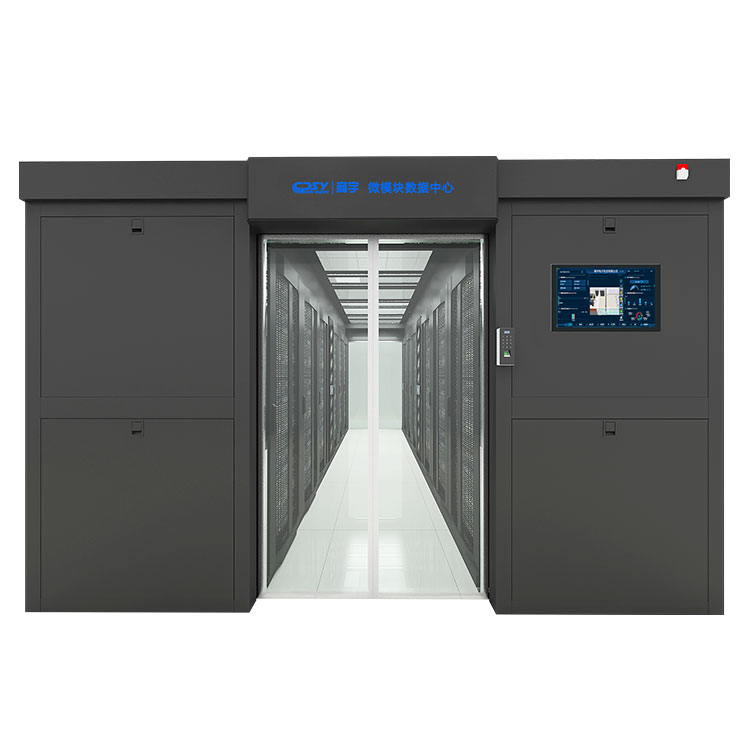
A Micro Data Center is a compact, integrated IT infrastructure system that combines servers, networking equipment, power management, cooling, monitoring, and security functions into a smaller and more efficient deployment space.
What Is a Micro Data Center?
A Micro Data Center can be described as a complete data processing environment built into a compact structure.
Although smaller than traditional data centers, it still includes many of the same essential components:
| Component | Function |
|---|---|
| Server Equipment | Provides computing power for applications and data processing |
| Network Devices | Supports communication and data transmission |
| UPS System | Provides backup power protection |
| Cooling System | Maintains suitable operating temperature |
| Monitoring System | Tracks environmental conditions and equipment status |
| Security System | Protects physical infrastructure and access control |
Why Micro Data Centers Are Different from Traditional Data Centers
A common misunderstanding is that a Micro Data Center is simply a smaller version of a traditional data center. In reality, the main difference is the deployment approach.
Traditional data centers usually follow a centralized model:
Data Collection → Central Processing → Result Delivery
Micro Data Centers support a localized computing model:
Data Collection → Local Processing → Fast Response
This makes them especially valuable for applications that require low latency, such as:
- Industrial automation
- Smart factories
- Video surveillance systems
- Autonomous equipment
- Smart transportation
How Edge Computing Is Driving Micro Data Center Growth
The rapid development of edge computing is one of the main factors behind the increasing adoption of Micro Data Centers.
Modern businesses collect huge amounts of data from:
- IoT sensors
- Industrial machines
- Connected devices
- Security cameras
- Smart terminals
Sending all data to distant cloud servers can increase network pressure and response time. Micro Data Centers solve this challenge by processing data closer to where it is generated.
For example, in a smart factory, a Micro Data Center installed near production equipment can analyze machine data in real time and support faster decision-making.
The Hidden Challenge of Micro Data Centers: Thermal Management
Many people assume that installing servers is the most difficult part of building a Micro Data Center. However, industry professionals often consider cooling management one of the biggest challenges.
Because the physical space is compact, heat concentration becomes higher. Poor thermal design may affect equipment stability and operating life.
Common cooling solutions include:
- Air Cooling: Suitable for standard IT workloads and small installations.
- Precision Cooling: Provides accurate temperature and humidity control.
- Liquid Cooling: Used for high-density computing and advanced applications.
A well-designed cooling system is essential for maintaining reliable operation in a compact environment.
Remote Monitoring Makes Distributed Deployment Possible
Unlike large data centers with dedicated technical teams, Micro Data Centers are often installed in locations without professional IT staff.
Therefore, intelligent monitoring systems have become an important feature.
Typical monitoring functions include:
- Temperature and humidity monitoring
- Power status tracking
- Door access detection
- Equipment condition analysis
- Alarm notifications
Remote management allows operators to monitor multiple Micro Data Center locations from a centralized platform.
Applications of Micro Data Centers
Smart Manufacturing
Factories are increasingly using sensors, automation systems, and machine vision technologies. Micro Data Centers provide local computing resources for real-time production analysis and industrial control.
Telecommunications
With the expansion of 5G networks, telecom operators need computing resources closer to users. Micro Data Centers support edge network deployment and faster data processing.
Healthcare Facilities
Hospitals generate large volumes of sensitive data. Local computing infrastructure helps support medical applications, imaging systems, and healthcare data management.
Retail and Commercial Environments
Retail stores and commercial facilities use Micro Data Centers for video analytics, smart systems, inventory management, and connected services.
Future Trends of Micro Data Centers
AI Edge Computing
The growth of artificial intelligence is increasing demand for local computing power. Applications such as machine vision, real-time analysis, and intelligent equipment require faster data processing closer to the source.
Modular and Flexible Deployment
Future Micro Data Centers will continue developing toward modular designs, allowing businesses to expand computing capacity more quickly without constructing large facilities.
Intelligent Energy Management
Automation and AI-based management systems will help improve energy efficiency, predictive maintenance, and equipment reliability.
Conclusion: Micro Data Centers Are Bringing Computing Closer to Real Applications
A Micro Data Center is more than a compact server cabinet. It represents a new approach to digital infrastructure by combining flexibility, local processing capability, and intelligent management.
With the continued growth of IoT, artificial intelligence, 5G, and smart industries, Micro Data Centers will play an increasingly important role in supporting faster, safer, and more efficient digital environments.