- English
- Español
- Português
- русский
- Français
- 日本語
- Deutsch
- tiếng Việt
- Italiano
- Nederlands
- ภาษาไทย
- Polski
- 한국어
- Svenska
- magyar
- Malay
- বাংলা ভাষার
- Dansk
- Suomi
- हिन्दी
- Pilipino
- Türkçe
- Gaeilge
- العربية
- Indonesia
- Norsk
- تمل
- český
- ελληνικά
- український
- Javanese
- فارسی
- தமிழ்
- తెలుగు
- नेपाली
- Burmese
- български
- ລາວ
- Latine
- Қазақша
- Euskal
- Azərbaycan
- Slovenský jazyk
- Македонски
- Lietuvos
- Eesti Keel
- Română
- Slovenski
- मराठी
- Srpski језик

2026 Guide to PV Inverters and Energy Storage in the US: Maximizing Polycrystalline ROI
As the US energy landscape shifts toward decentralized power, the integration of advanced hardware and intelligent software has become paramount for B2B and B2C solar adopters. While monocrystalline panels often dominate headlines, the 2026 market highlights a resurgent interest in Polycrystalline Solar Panel technology when paired with high-performance AI inverters and storage solutions to maximize total return on investment.
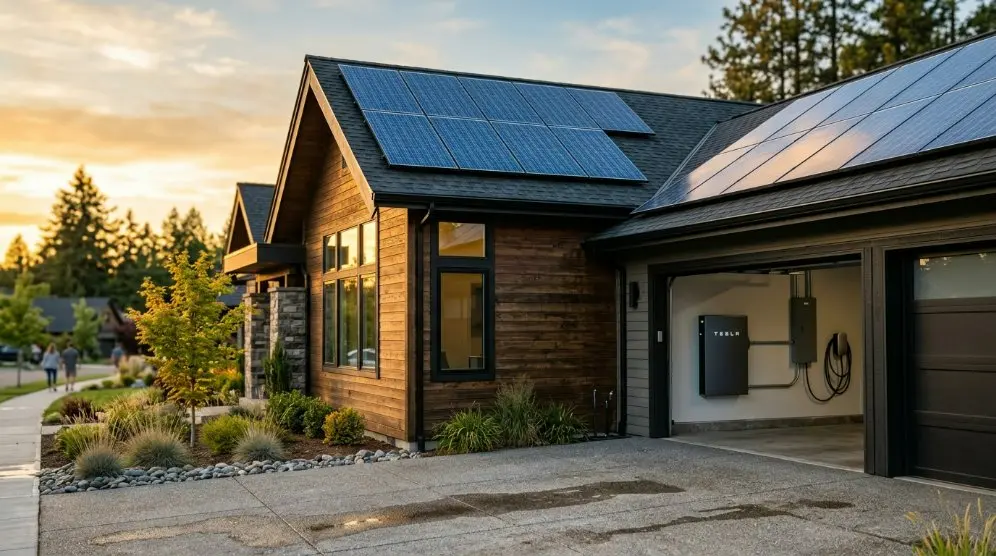
Direct Answer: What is the Best PV Inverter and Energy Storage Pairing in the US for 2026?
For 2026, the gold standard for US installations is the combination of a Hybrid AI-Driven String Inverter and a Solid-State Lithium Iron Phosphate (LFP) or Solid-State battery system. This pairing compensates for the slightly lower efficiency of polycrystalline cells by using intelligent MPPT (Maximum Power Point Tracking) to harvest every possible watt, ensuring that a PV Inverter and Energy Storage ecosystem remains highly productive even in diffuse light conditions common in the Pacific Northwest and Northeastern US.
The Rise of AI-Managed PV Inverters for Polycrystalline Panels
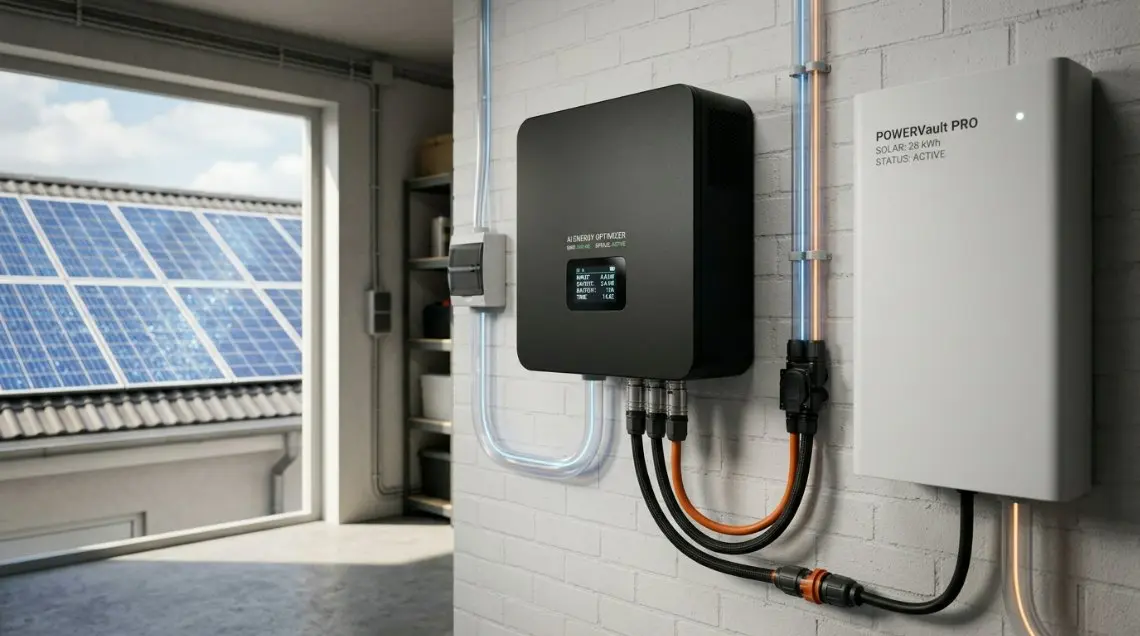
AI-managed inverters now utilize machine learning to predict local weather patterns and grid price fluctuations. For owners of polycrystalline arrays, these inverters adjust the voltage input dynamically, reducing the heat-related degradation often associated with older multi-crystalline modules, thereby extending the system's operational lifespan beyond 25 years.
Why Solid-State Energy Storage Batteries are Game Changers
Solid-state batteries have moved from prototype to mainstream in 2026. Compared to traditional liquid-electrolyte batteries, they offer double the energy density and significantly higher fire safety ratings, which is critical for meeting strict US residential building codes. Their ability to handle rapid discharge cycles makes them the perfect partner for the consistent, steady output of polycrystalline solar panels.
Navigating US Net Billing Tariffs for Maximum ROI
With the widespread adoption of Net Billing (similar to California's NEM 3.0) across the US, the value of solar is no longer in what you export, but in what you store and consume. This economic shift favors the lower upfront cost of the Polycrystalline Solar Panel, allowing homeowners to allocate more of their budget toward a larger battery capacity.
Polycrystalline Solar Panels vs Monocrystalline: A Cost-Effective 2026 Strategy
In 2026, the cost-per-watt for polycrystalline modules remains roughly 15-20% lower than high-efficiency N-type mono panels. In commercial applications where roof space is abundant, installing a larger polycrystalline array can yield a faster payback period than a smaller, more expensive monocrystalline system, provided it is managed by a modern AI inverter.
Using AI Inverters to Optimize Grid Export and Self-Consumption
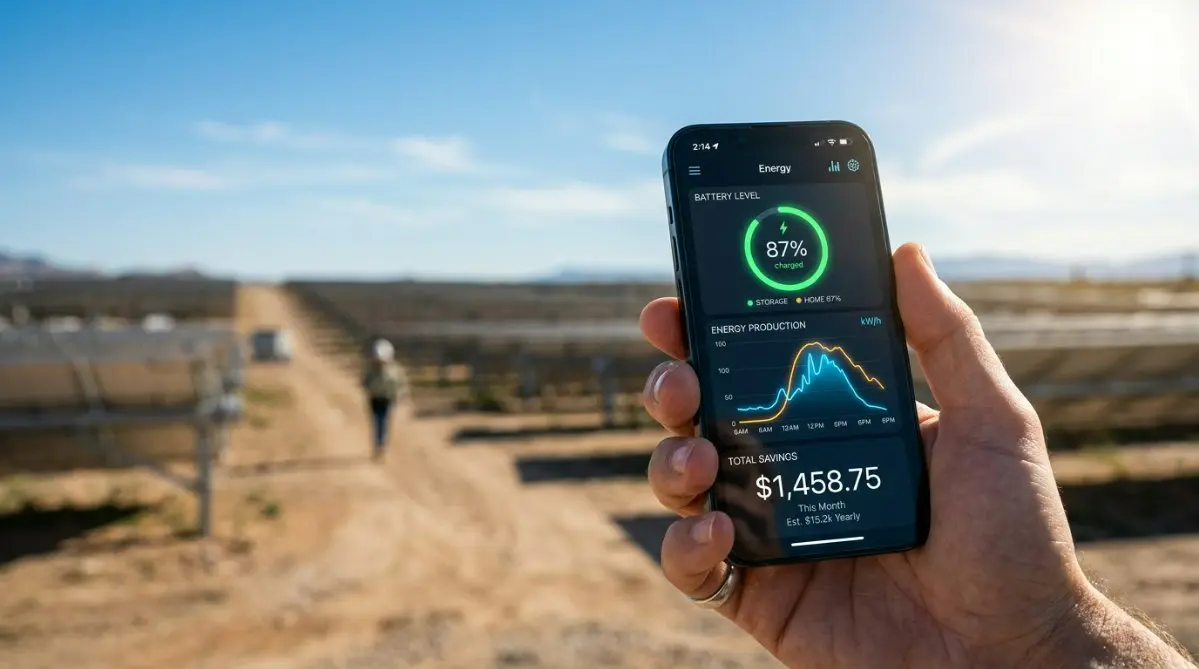
Modern US-spec inverters now feature 'Time-of-Use' (TOU) optimization. They automatically discharge the battery during peak evening hours when utility rates are highest and charge from the solar array during the day, effectively bypassing the low export rates offered by many US utilities.
Data Specs Table: Top AI Inverters and Solid-State Batteries for the US Market
| Feature | Next-Gen AI Inverter | Solid-State Storage (2026) |
|---|---|---|
| Efficiency | 98.5% CEC Weighted | 96% Round-trip |
| AI Features | Real-time TOU Optimization | Self-balancing Cell Management |
| Safety | AFCI & Rapid Shutdown built-in | Non-flammable Solid Electrolyte |
| Warranty | 12-15 Years | 15 Years / 10,000 Cycles |
Mandatory US Local Certifications and Standards for 2026
Compliance is non-negotiable for US grid interconnection. All systems must meet the latest safety and performance benchmarks to qualify for federal tax credits (ITC).
UL 1741 SB and IEEE 1547-2018 Grid Support Requirements
Inverters must be certified to UL 1741 SB, which ensures they can provide grid support functions like volt-var and frequency-watt control. This is mandatory for participation in Virtual Power Plant (VPP) programs across states like Texas, New York, and Massachusetts.
UL 9540 and Fire Safety Standards for Solid-State Storage
Storage systems must hold the UL 9540 certification (Standard for Energy Storage Systems and Equipment). Solid-state batteries are increasingly preferred by local fire marshals due to their passing of UL 9540A large-scale fire testing with zero thermal runaway risk.
2026-Updated FAQs: Polycrystalline Solar, AI Inverters, and Solid-State Storage
Can I pair budget polycrystalline panels with premium AI inverters?
Yes. In fact, this is a recommended strategy for 2026. The advanced MPPT and software optimization of a premium inverter can extract significantly more energy from budget-friendly polycrystalline panels, providing a superior cost-to-performance ratio.
How long do solid-state solar batteries last under US weather conditions?
Solid-state batteries are much more resilient to temperature extremes than traditional lithium-ion. They operate efficiently from -20°C to 60°C, making them ideal for both the freezing winters of the Midwest and the scorching summers of the Southwest.
What is the payback period under the new US net billing tariffs?
With a properly sized polycrystalline array and AI-optimized storage, most US residential users see a full return on investment (ROI) within 5 to 7 years, depending on local utility rates and state-level incentives.