- English
- Español
- Português
- русский
- Français
- 日本語
- Deutsch
- tiếng Việt
- Italiano
- Nederlands
- ภาษาไทย
- Polski
- 한국어
- Svenska
- magyar
- Malay
- বাংলা ভাষার
- Dansk
- Suomi
- हिन्दी
- Pilipino
- Türkçe
- Gaeilge
- العربية
- Indonesia
- Norsk
- تمل
- český
- ελληνικά
- український
- Javanese
- فارسی
- தமிழ்
- తెలుగు
- नेपाली
- Burmese
- български
- ລາວ
- Latine
- Қазақша
- Euskal
- Azərbaycan
- Slovenský jazyk
- Македонски
- Lietuvos
- Eesti Keel
- Română
- Slovenski
- मराठी
- Srpski језик

Ultimate Guide to PV Inverters and Energy Storage in the US: The GEL Battery Advantage
As the United States accelerates its transition to renewable energy, commercial and residential stakeholders are seeking more than just efficiency; they are demanding safety, reliability, and regulatory compliance. While lithium technologies often dominate headlines, the integration of a Deep Cycle GEL Battery into PV inverter and energy storage systems is emerging as the gold standard for high-risk and extreme-environment applications across the US.
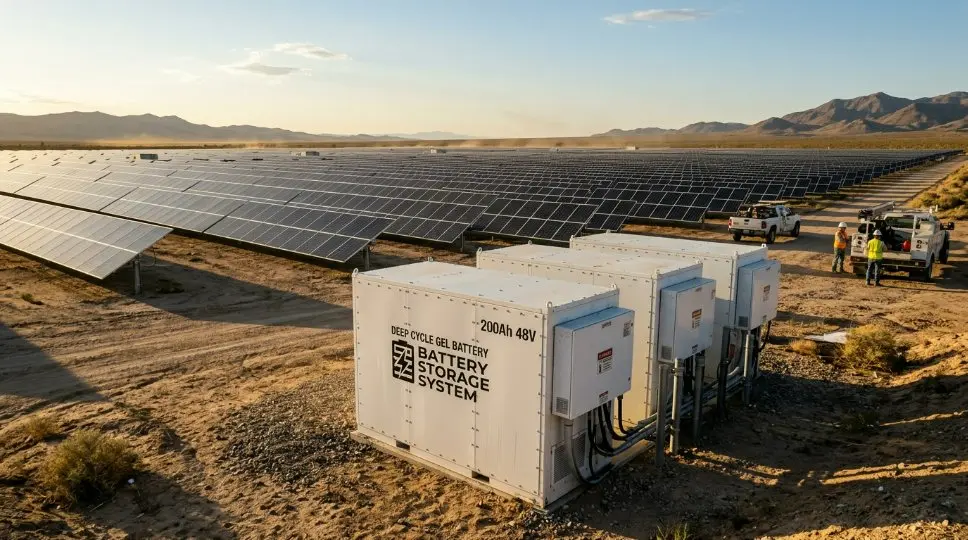
What is the Best PV Inverter and Energy Storage Setup for US Projects?
For US-based projects focusing on long-term resilience, the ideal setup pairs high-efficiency hybrid PV inverters with deep cycle GEL storage. This combination offers superior thermal stability and lower maintenance costs compared to standard lead-acid or lithium-ion alternatives, particularly in regions with fluctuating temperatures.
Why Deep Cycle GEL Batteries Beat Lithium-Ion in Fire Safety
In densely populated US urban areas and sensitive commercial zones, fire safety is paramount. Deep Cycle GEL batteries utilize a silica-based electrolyte that is non-flammable and leak-proof. Unlike lithium-ion, which is susceptible to thermal runaway, GEL technology provides a stable chemical structure, making it the preferred choice for indoor PV Inverter and Energy Storage installations where strict fire codes apply.
Extreme-Temperature Resilience for Commercial and Off-Grid Solar
From the freezing winters of the Midwest to the scorching heat of the Southwest, US climates demand robust storage. GEL batteries excel in these conditions, maintaining performance between -40°F and 140°F. This eliminates the need for expensive HVAC systems often required to keep lithium batteries within their narrow operating windows.
2026 US IRA Tax-Credit Compliance for GEL Battery Systems
The Inflation Reduction Act (IRA) provides significant tax incentives for US-based energy storage projects. By utilizing compliant components, developers can offset up to 30% or more of project costs. Modern GEL systems are designed to meet the domestic content and performance requirements necessary to qualify for these federal credits through 2026 and beyond.
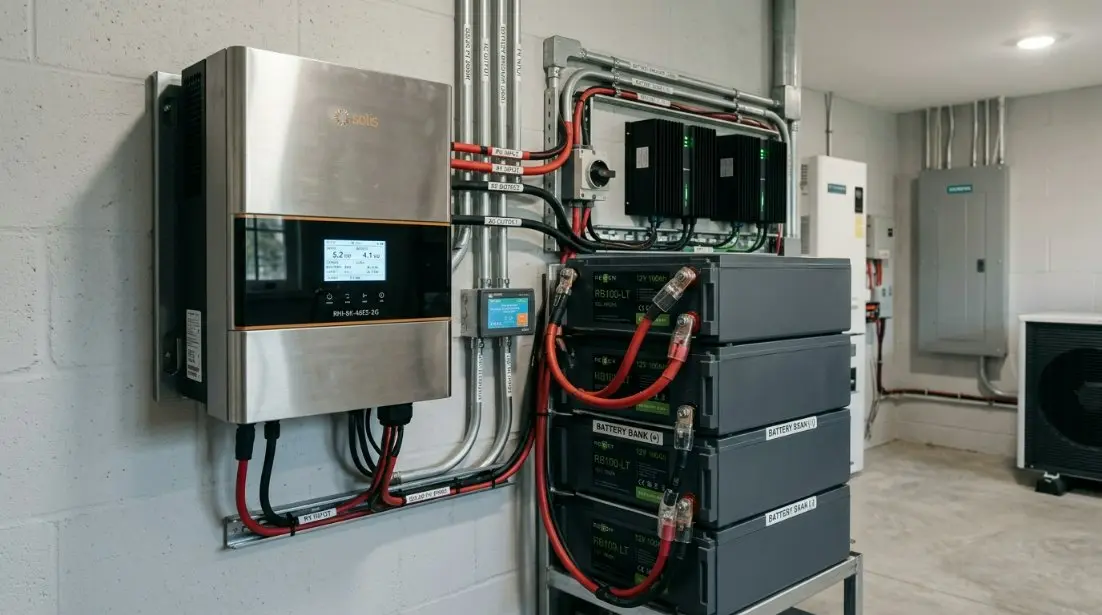
Optimizing High-Capacity PV Inverters for Deep Cycle GEL Storage
To maximize the lifespan of your storage system, the PV inverter must be precisely calibrated to the GEL discharge curve. High-capacity inverters used in the US market must support multi-stage charging profiles to ensure the gelled electrolyte remains uniform and active over thousands of cycles.
Charge Controller and Hybrid Inverter Sizing for US Markets
Sizing is critical. US installers typically recommend a 2:1 ratio for PV array to battery capacity to ensure full charging during shorter winter days. When selecting a hybrid inverter, ensure it features programmable low-voltage disconnects to protect the Deep Cycle GEL Battery from deep discharge damage, a common issue in off-grid solar cabins.
US Local Certifications and Safety Standards for Solar Storage
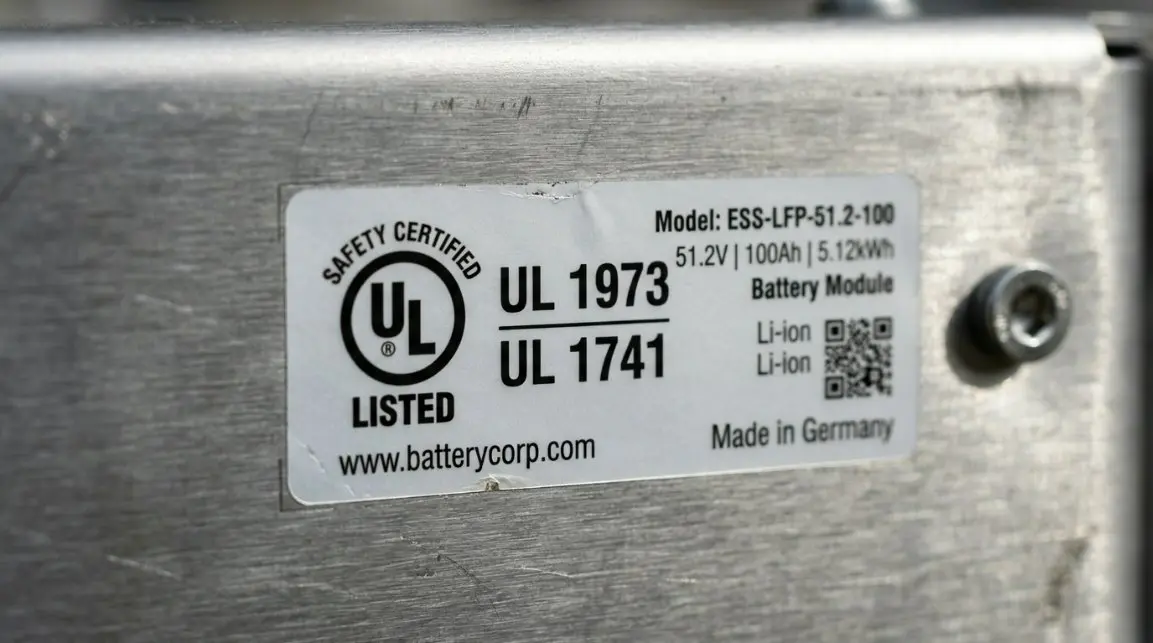
Operating in the US market requires adherence to rigorous safety standards. For any energy storage system (ESS), certification is not just a preference; it is a legal requirement for grid connection and insurance eligibility.
Meeting UL 1741, UL 1973, IEEE 1547, and NEC 2023 Compliance Requirements
Installations must comply with the National Electrical Code (NEC) 2023, specifically Article 706 for Energy Storage Systems. Our battery solutions are tested to meet UL 1973 (for stationary applications) and UL 1741 (for inverters and interconnection), ensuring they can be safely deployed in any jurisdiction across the United States.
Data Specs Table: High-Capacity PV Inverter and GEL Battery Parameters
Understanding the technical specifications is vital for engineering a reliable system. Below is a comparison of typical performance metrics for high-end GEL storage systems.
| Parameter | Standard GEL Spec | US Commercial Requirement |
|---|---|---|
| Design Life | 12-15 Years | 10+ Years (for ROI) |
| Operating Temp Range | -40°C to +60°C | NEMA 3R/4 Compliance |
| Round-Trip Efficiency | 85% - 90% | IEEE 1547 Standards |
| Safety Certification | UL 1973 / CE | NEC 2023 & UL 9540A |
Comparing Lifecycle, Operating Temperature Range, and Peak Efficiency
When evaluating your next project, remember that the lowest upfront cost rarely translates to the lowest Total Cost of Ownership (TCO). A high-quality GEL battery provides more consistent discharge rates and better peak efficiency in real-world US environmental conditions than cheaper, non-certified alternatives.